How to Make ChatGPT Follow Up With Leads Automatically
Leads don't die because you couldn't write the follow-up. They die because nobody remembered to send it. Here's how to close that gap without turning your inbox into a spam sequence.
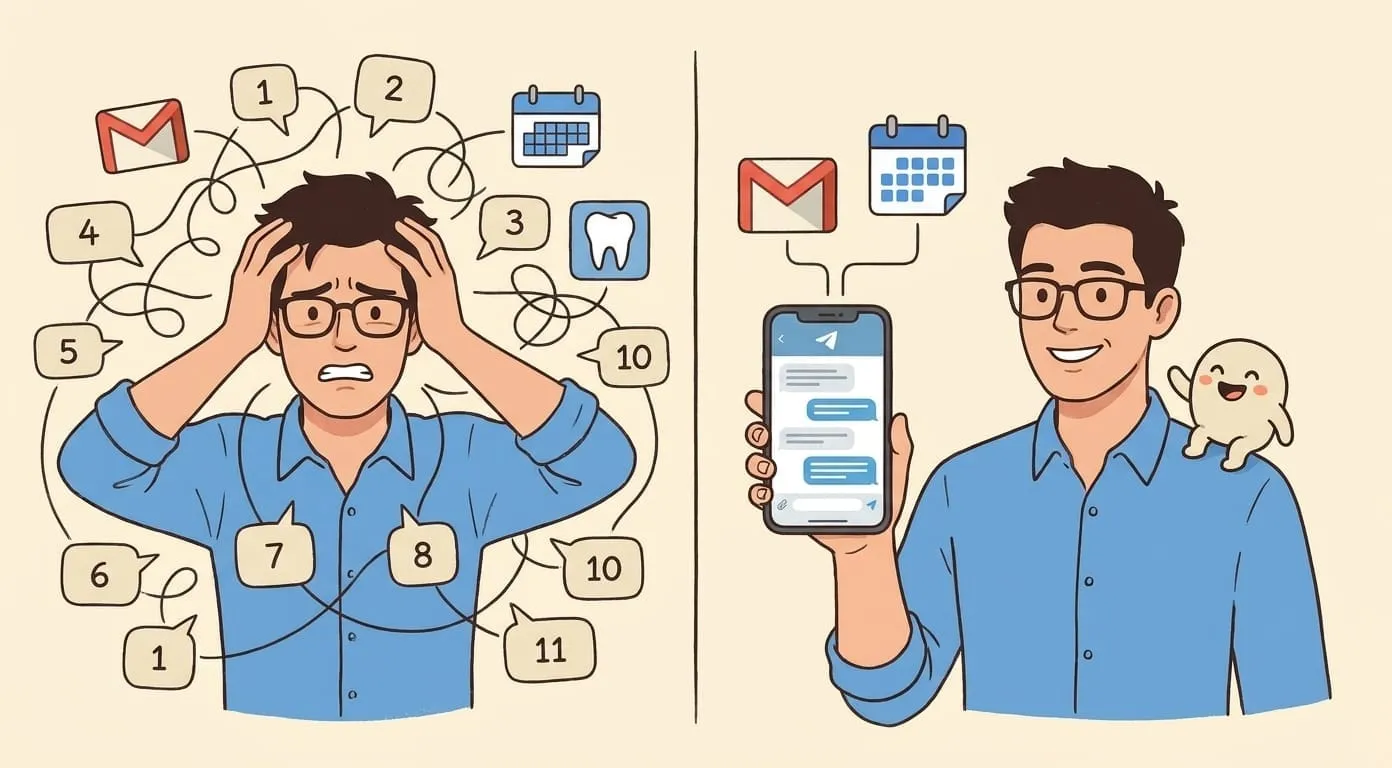
Wednesday, 4 PM. A warm lead you talked to last week has been quiet for six days. You know it. You saw the email chain last time you cleaned the inbox. You even started typing a reply. Then a Slack ping came in, your calendar reminded you about the next call, and the draft closed without saving.
Fast-forward two weeks. The lead never followed up either. Nobody's mad. Nothing dramatic happened. You just lost the deal quietly, the way most deals actually get lost.
This is what people mean when they ask if ChatGPT can follow up with their leads. Not "write me a template email" (they already have those, and nobody uses them). Something closer to: "notice which conversations went quiet, remind me, and if I say yes, send something that sounds like me."
Why templates and drip sequences don't fix this
Marketing automation tools solve a different problem. They fire the same message at a thousand people on a schedule. That's useful when you're running a launch or a webinar campaign, but it doesn't touch the deals where each conversation is different.
A generic "just following up" template makes the reader feel like a row in a spreadsheet, which they are, and which they can tell. Anyone who's received a five-touch drip sequence knows what it feels like. It doesn't work for one-to-one sales, and it actively hurts trust with anyone who knows the difference.
So the real gap isn't "write the follow-up." It's: notice which specific thread has gone quiet, read what was actually discussed, decide whether it makes sense to nudge now, and send something that fits the context.
Templates can't do that. Sequences can't do that. Neither can ChatGPT on its own, because ChatGPT doesn't watch your inbox for stalled threads. It answers when you show up.
What "follow up automatically" actually means when it works
The version that works has four moving parts:
Something watching your threads. Read access to your Gmail or wherever your sales conversations live. Without this, the whole thing is theatre.
A definition of "stalled." You get to set what counts. Three business days for a warm lead. Two weeks for a colder one. Never for someone who just said they'd get back to you next quarter.
Context when it drafts. The agent has to actually read the thread, beyond noting that time has passed. It should reference the demo you did, the specific concern they raised, the timeline they mentioned. Otherwise the follow-up sounds like a template.
A stop signal that works. The moment they reply, the agent goes quiet. No follow-up should ever land in someone's inbox after they've already responded. That's the fastest way to look like an automated system nobody's paying attention to.
Missing any of these, and the whole workflow reads as spam.
The daily flow, once it's set up
Here's what it looks like once it's running.
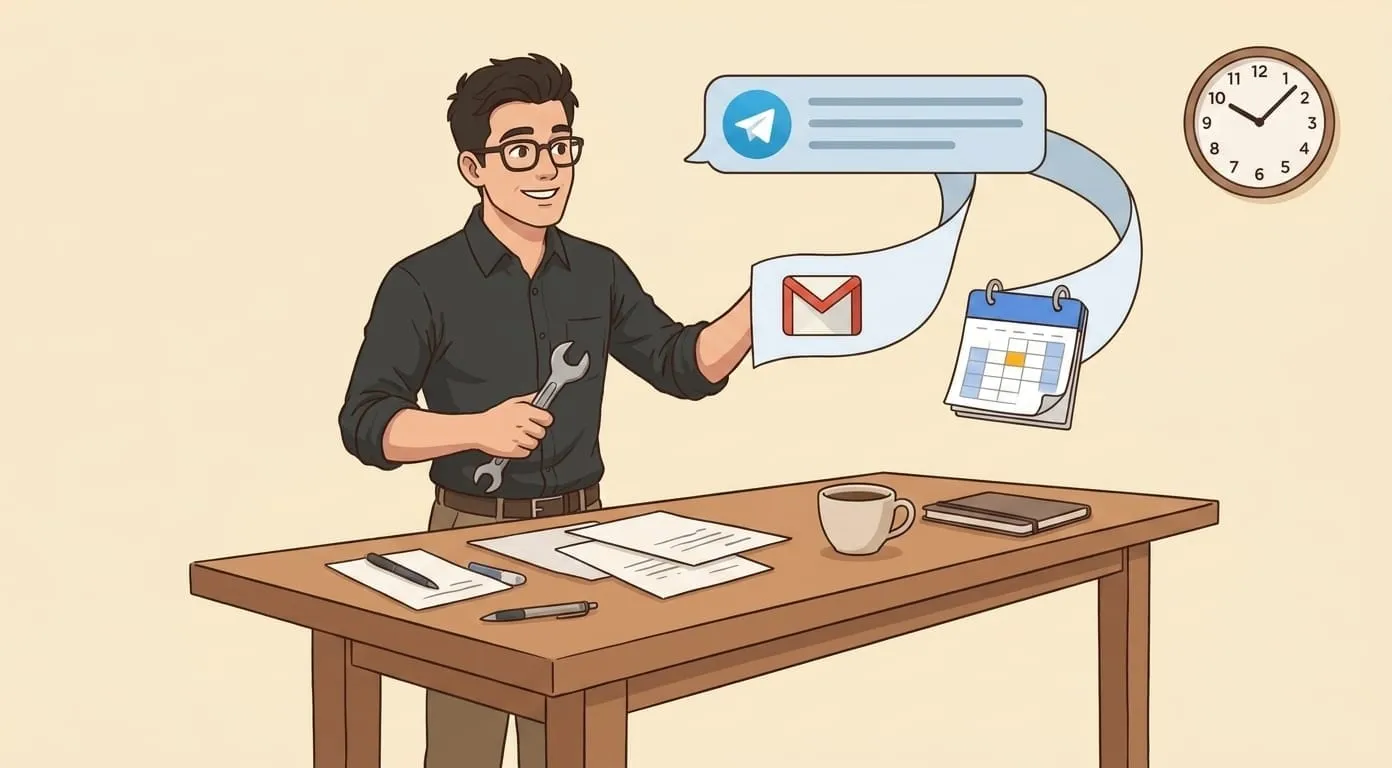
Morning. You get a message in Telegram (or WhatsApp, whatever channel you set up). "Two threads have gone quiet past your three-day threshold. Sam at Acme, last contact Thursday about pricing. Priya at BuiltRight, last contact Friday about the security review. Want to see drafts?"
You say yes. Two proposed follow-ups show up, each two or three sentences, referencing what was actually discussed. Not "just checking in" energy. More like: "Following up on the pricing conversation. Happy to walk through the enterprise tier this week if it'd help. Tuesday or Wednesday afternoon works for me."
You read them. You approve one, you tweak the other's timing to next Monday because you know they're on holiday. Both go out from your Gmail, in your writing style.
Total time: ninety seconds. Two deals stayed alive. You never opened Gmail.
Set it up in 10 minutes
Amplify is a personal AI agent that lives in your messenger and connects to your Gmail. Setup:
First run takes a few conversations to get the rules right. Expect a week of tuning.
Then let it run for a week. Adjust the timing thresholds if it's nagging or missing. That's the whole thing.
Five follow-up patterns worth setting up
The three-day nudge on a warm thread. Standard case. You had a real conversation, they said they'd get back to you, three business days went by. The agent proposes a short, specific follow-up that references the real discussion.
The post-demo check. A demo happened. Nothing after five business days. The follow-up should mention one specific thing from the demo (a feature they asked about, a use case they described) so it doesn't read like a form email.
The proposal reminder. You sent a proposal. Seven business days later, no answer. The nudge is soft: "Wanted to check whether the proposal was useful or whether you'd like to talk through any of it." Not "when can we sign."
The re-engagement on a cold lead. Someone from your pipeline last responded three months ago. The follow-up mentions something that's changed on your side (a new feature, a new case study) that's relevant to what they said they cared about. This one especially should never be a template.
The "still interested?" close. A lead has ghosted through two or three follow-ups. The last one is honest: "If this isn't the right time, no problem, just let me know and I'll stop bugging you." This often gets a reply, sometimes a "yes actually, let's talk," sometimes a clean "no." Both are better than silence.
The pattern under all of these: context, brevity, a real reason for the follow-up. If the agent can't produce one, the follow-up shouldn't go.
The rule that separates useful from annoying: notice, don't spam
Two things determine whether this feels like sales magic or spam.
The first is that the agent stops the moment someone replies. If Sam responds, no more follow-ups on that thread, period. This sounds obvious. Half the automated systems out there get it wrong.
The second is that the agent uses real context. Not "Hi {{first_name}}, just circling back." Something that shows you actually read the thread. The agent has the thread. There's no excuse for template language.
Two more controls that help:
Set these once and the workflow gets less anxious. More signal, less noise.
Build a lead follow-up assistant with Amplify
Amplify runs on OpenClaw, an open-source AI agent framework. Data stays isolated per client, so your Gmail context isn't shared across users. Pricing is $9.99 per month for the platform plus pay-per-use for the model calls, so a slow month costs less than a busy one.
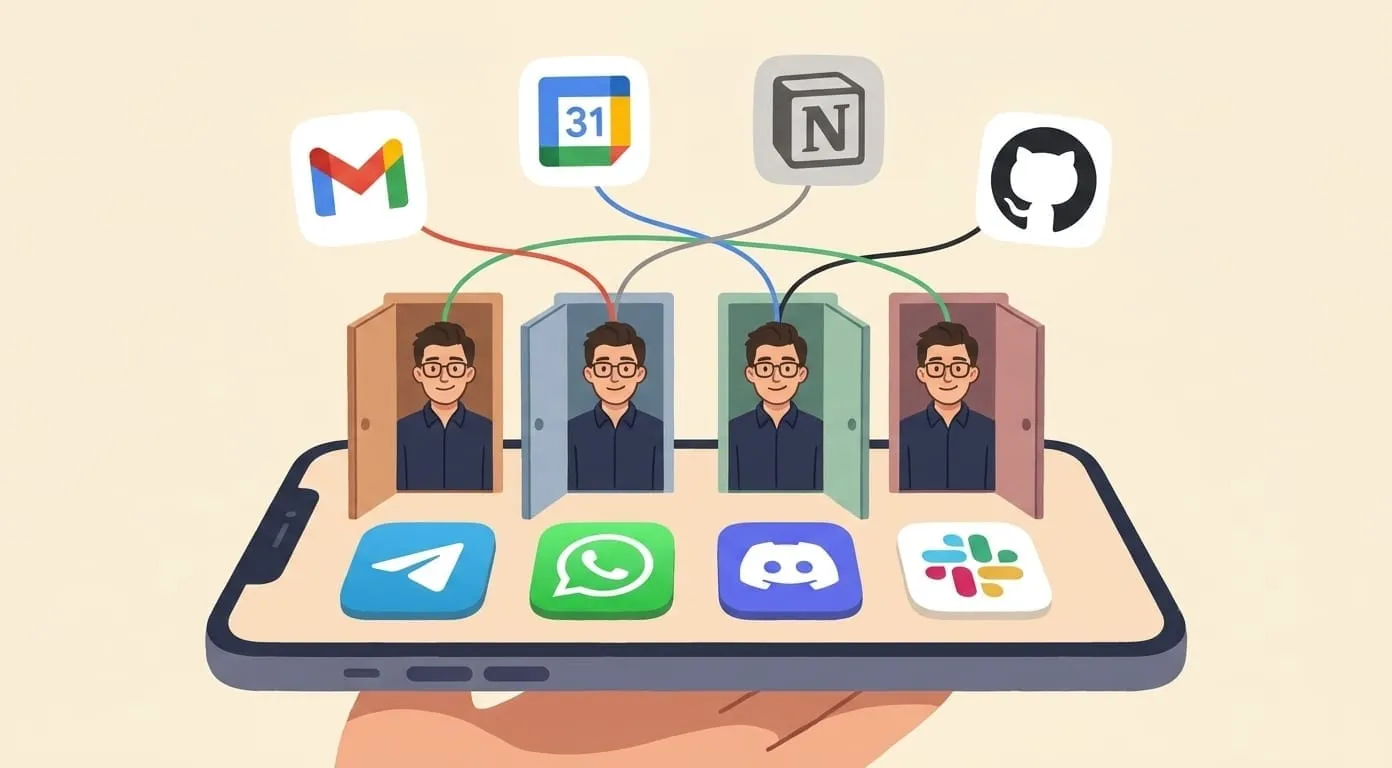
You can start with just email follow-ups and add other integrations later (Calendar for scheduling, Notion for tracking, GitHub if you sell dev tools). The same assistant runs across channels with shared memory, so if you switch from Telegram to Slack, it still knows your rules and history.
What this doesn't do
This isn't a CRM. It doesn't track pipeline stage, forecast revenue, or produce weekly dashboards. If you already have HubSpot or Salesforce, this sits alongside them, not in place of them. The agent handles the specific job of "notice stalled threads, propose a follow-up, send when approved." Everything else about your sales process is still yours.
It also isn't autonomous outreach. It doesn't scrape LinkedIn, generate cold prospects, or send anything before you've said "send." The point isn't to send more emails than you would otherwise. It's to make sure the ones you would have sent, if you'd remembered, actually go out on time.
That's the real value. Not "AI does your sales for you." AI stops the deals from dying between the busy days.